Real Estate & Radon
Radon and Home Sales in East Tennessee: What Buyers, Sellers, and Agents Need to Know
A high radon result doesn't have to blow up a closing date. Here's how testing, negotiation, and mitigation actually work inside a Tennessee real estate transaction, and what to expect at each step.
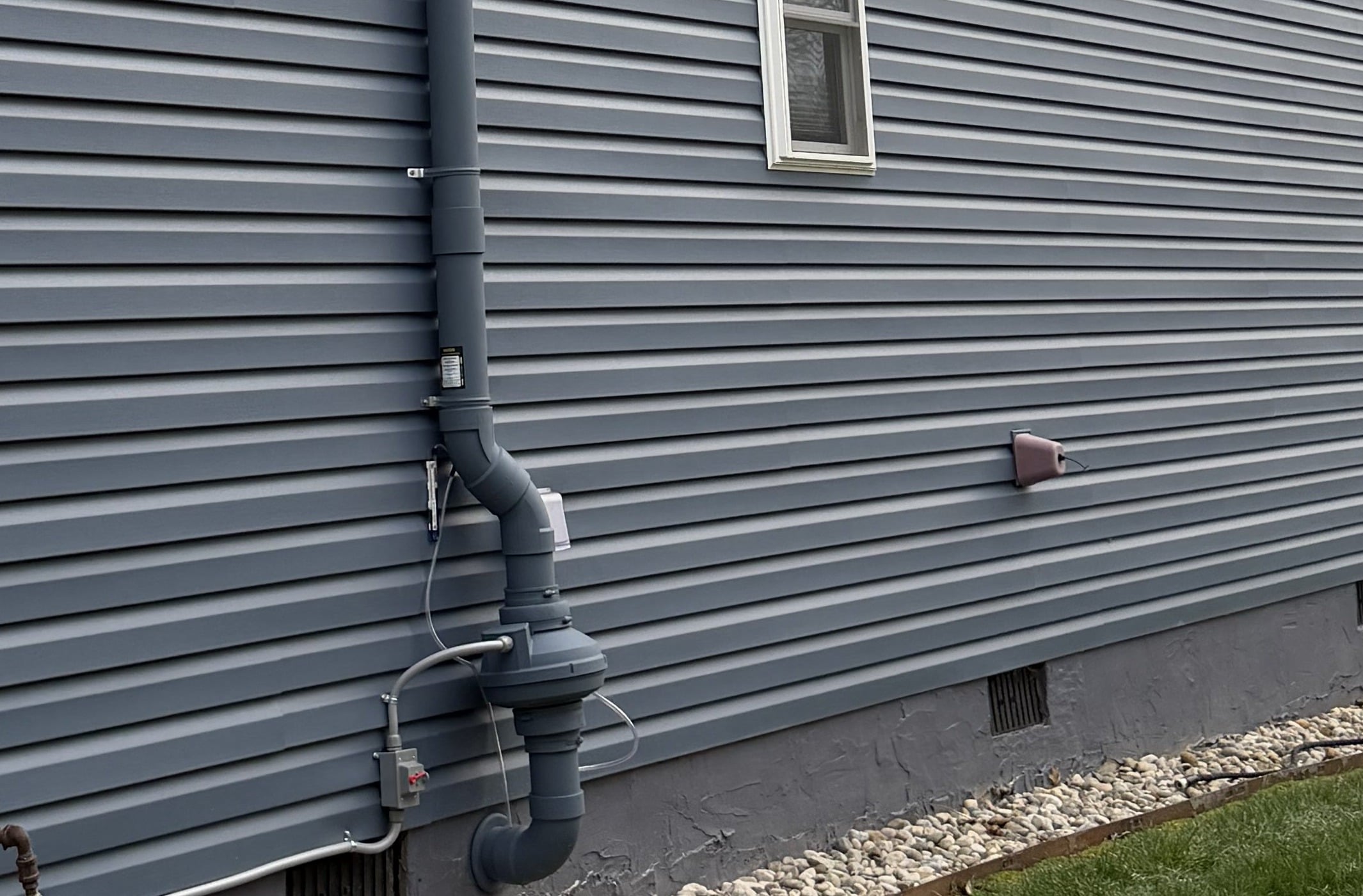
Radon and home sales in East Tennessee go together more often than most people realize. Radon is not on the required disclosure list in Tennessee, and no state law forces a seller to test for it. In practice, though, radon testing shows up in a large share of East Tennessee real estate transactions anyway, because the region sits on uranium rich shale and radon levels here run well above the national average. Buyers ask for it. Lenders sometimes require it. And agents on both sides of the table need to know what happens next when a result comes back high.
This guide walks through the questions we hear most often from real estate agents, buyers, and sellers once radon enters the conversation, and how a transaction can still close on time when it does.
Is radon testing required to close on a home in Tennessee?
Not by state law. Tennessee does not require radon testing or disclosure for a standard residential sale. What actually triggers a test is usually one of three things:
- The buyer requests it as part of their due diligence or inspection period, often bundled with the home inspection.
- The financing requires it. FHA and USDA loans do not mandate radon testing outright, but many lenders and underwriters in high radon zones request it as a condition of approval, and it is required for FHA financed multifamily properties.
- The buyer's agent recommends it because they know the region's geology, particularly in Zone 1 counties like Anderson, Knox, and Blount.
Because it is not mandated, timing is flexible, but it is not unlimited. Most contracts tie radon testing to the same due diligence window as the home inspection, so the clock starts the day the contract is signed.
What happens when a radon test comes back high mid contract?
A result at or above the EPA action level of 4.0 pCi/L does not mean the deal falls apart. It means the transaction moves into a short, well defined negotiation phase. Here is the typical sequence:
- Result is documented. A professional, NRPP certified report is issued with certification signatures, the kind lenders and title companies will actually accept.
- Buyer and seller negotiate responsibility. This usually happens through the same repair addendum process used for inspection items, not a separate legal track.
- A mitigation quote is requested. Because residential systems are a known, standardized cost (see our Mitigation Cost Guide), this step typically takes a day or two, not weeks.
- Mitigation is scheduled and completed. A properly staffed crew can install and verify a standard residential system well inside a normal closing window. Our 48-Hour Action Plan covers what that looks like in practice.
- Post mitigation testing confirms the fix. A follow up test verifies levels are reduced below the action level before final sign off.
Handled promptly, this entire process rarely requires pushing the closing date more than a few days, and in many cases it does not move the date at all.
Who pays for radon testing and mitigation in a home sale?
There is no law dictating this, so it comes down to negotiation and local custom. A few common patterns we see across East Tennessee transactions:
- Buyer pays for testing as part of their own due diligence, the same way they would pay for a home inspection.
- Seller pays for mitigation if a result comes back high, treated similarly to any other inspection related repair item.
- Costs are split or credited through a closing cost credit instead of a direct repair, which keeps the seller from managing a contractor before closing.
- Buyer accepts the condition in a competitive market and handles mitigation after closing, sometimes negotiating a price reduction instead of a repair.
Whichever route a transaction takes, having an accurate, defensible number up front removes most of the friction. Residential systems have a fairly narrow, predictable cost range, which makes this a much easier item to negotiate than something like a roof or foundation repair.
Radon and Home Sales: Does a High Result Affect a Home's Value or Marketability?
Generally, no, not once it is mitigated. A radon mitigation system is a permanent, inspectable fix, not an ongoing defect. Once a system is installed and verified, most buyers and appraisers treat the home the same as any comparable property. Where radon does affect marketability is when it is left unaddressed and undisclosed, since an unresolved high result discovered later in a transaction, or by a future buyer's own testing, tends to create far more friction than one resolved proactively during the current sale.
For sellers, that is often the strongest argument for testing before listing rather than waiting for a buyer to request it mid-contract.
What about FHA, VA, and other financed transactions?
Single family FHA and VA loans do not automatically require radon testing, but appraisers and underwriters in high radon regions frequently flag it, and some lenders add it as a condition of approval on a case by case basis. For multifamily and commercial financing, the requirement is firmer. FHA insured multifamily properties are typically required to follow the ANSI/AARST MA-MFLB-2023 testing standard, and Fannie Mae and Freddie Mac financing on larger properties often calls for the same certified, documented approach. Agents working with buyers on financed properties in Zone 1 counties should expect radon to come up as part of underwriting, not just the inspection.
What should agents tell clients before radon becomes a problem?
The transactions that go smoothest are the ones where radon is addressed early instead of discovered late. A few things worth setting expectations on from the start:
- East Tennessee has some of the highest radon potential in the country, so a test request is not a red flag about the property, it is a normal part of due diligence here.
- A high result is fixable, usually within days, not a reason to walk away from a deal.
- Getting a certified report from an NRPP certified provider matters. Reports need to hold up with lenders, title companies, and any future buyer who asks to see documentation.
- Sellers who test proactively before listing often avoid a mid-contract scramble entirely.
If you're an agent working a transaction where radon has come up, or you want a resource to send clients before it does, our team can walk your buyer or seller through testing, timelines, and cost so nothing about the process is a surprise.
Have a closing on the line?
We work with East Tennessee agents to get certified radon results and, when needed, mitigation completed fast enough to protect your closing date.
Frequently Asked Questions
Is radon testing legally required to sell a home in Tennessee?
No. Tennessee does not require radon testing or disclosure by law. It is commonly requested by buyers, agents, or lenders as part of due diligence, especially in high radon counties like Anderson, Knox, and Blount.
Who pays for radon mitigation when it's found during a home sale?
There is no set rule. It is typically negotiated the same way as other inspection items, with the seller covering the repair, the cost split, or a closing credit issued to the buyer in place of a direct repair.
How long does radon mitigation take before a closing?
A standard residential system can typically be installed and verified within a couple of days once scheduled, which is usually well inside a normal due diligence or closing window.
Does a radon mitigation system lower a home's resale value?
No. A properly installed, verified mitigation system is generally treated as a permanent fix rather than an ongoing defect, and most buyers and appraisers view a mitigated home the same as a comparable property without one.
Do FHA or VA loans require radon testing?
Not automatically for single family homes, but appraisers and underwriters in high radon regions often flag it, and some lenders require it as a condition of approval. FHA financed multifamily properties typically require certified testing under the ANSI/AARST MA-MFLB-2023 standard.
Should a seller test for radon before listing?
It's a smart move in high radon areas. Testing before listing lets a seller address any issue on their own timeline rather than negotiating under contract deadline pressure, and it gives buyers documentation up front.
What radon level requires mitigation before closing?
The EPA action level is 4.0 pCi/L. Results at or above that level are typically when mitigation is negotiated as part of the transaction, though some buyers request mitigation at lower levels for added peace of mind.