As awareness around environmental health hazards grows, the Federal Housing Administration (FHA) is taking steps to ensure safe living conditions for homeowners and renters alike, particularly in regions like Knoxville, Sevierville, and Pigeon Forge. One of the latest updates in FHA regulations is the increased focus on radon testing, especially for multifamily homes. This move is a response to the silent but potentially deadly threat radon poses to residents, aiming to enhance safety standards in properties financed through FHA loans across East Tennessee. While this requirement has not filtered down to single family homes, we at Bent Nail Home Inspection Services and Rn86 Solutions highly recommend testing your home for radon. The Environmental Protection Agency (EPA) and the state of Tennessee recommend testing your home every five years if you don’t have a mitigation system installed and every two years if your home has an active radon mitigation system.
Why FHA mandates Radon Testing for Multifamily Homes
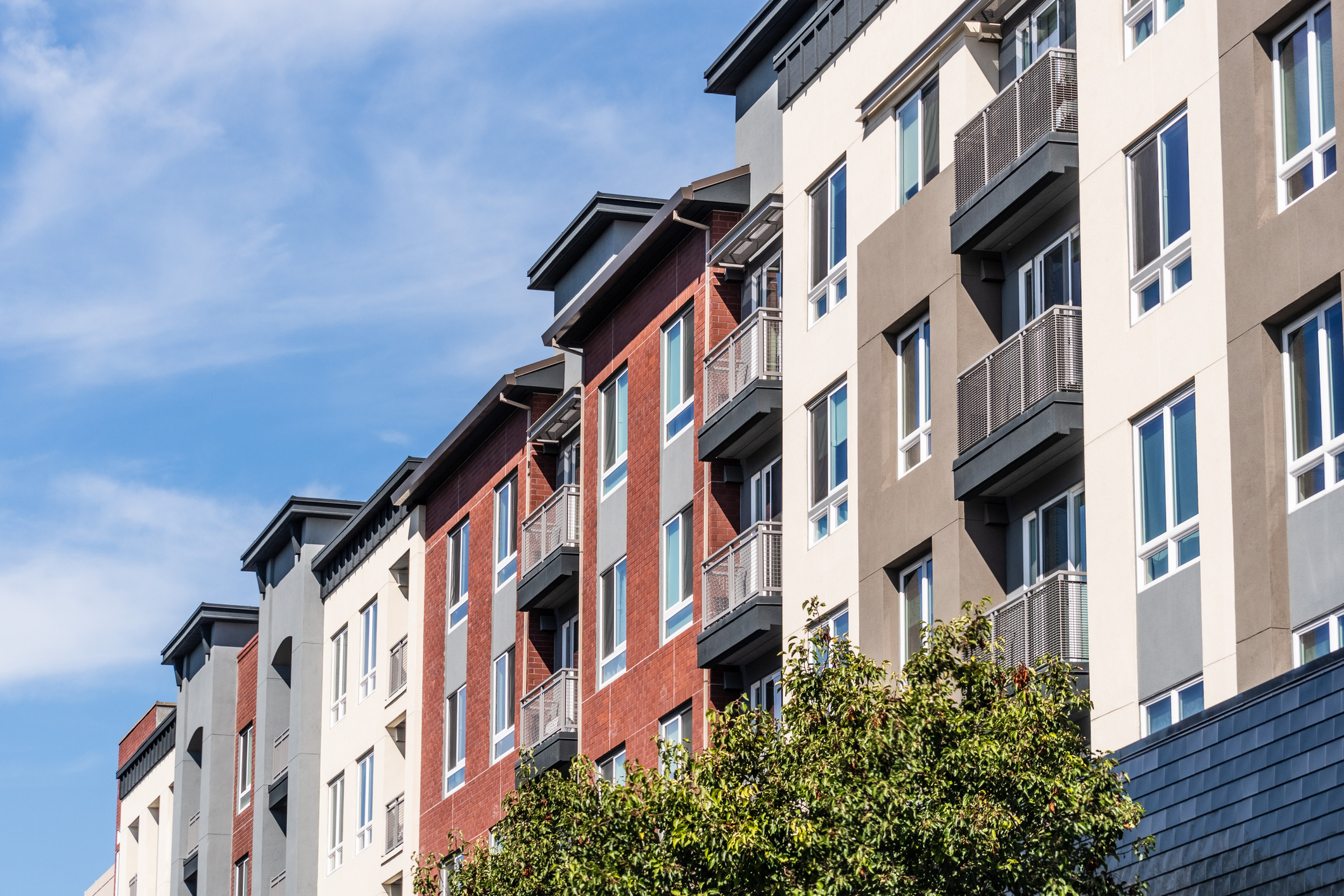
Multifamily homes, due to their size and the number of residents, can present a higher risk of radon exposure. In densely populated buildings, radon can accumulate in common areas or lower-level apartments and pose a health hazard to multiple tenants. This is particularly relevant for areas like Knoxville, Sevierville, and Pigeon Forge, where radon levels can be elevated due to the natural geology.
The FHA’s recent requirement for radon testing aligns with its mission to provide safe and affordable housing. With this policy, the FHA is taking preventive action to address radon exposure before it becomes a health concern. The testing requirements will be enforced during the underwriting process for loans on multifamily properties, ensuring that properties in places like Sevierville, Knoxville, or Pigeon Forge meet a certain standard of safety before being financed.
The FHA Radon Testing Requirements
Under the new FHA guidelines, radon testing is required for all multifamily properties seeking FHA financing in areas like Knoxville, Sevierville, and beyond. Here’s what this entails:
- Initial Testing: A certified radon professional must conduct a radon test on the property. According to the ANSI/AARST MA-MFLB-2023 standards, which covers multifamily buildings, 100% of the ground-contact units and 10% per floor of the non-ground-contact units should be tested. This representative sample allows for an accurate assessment of potential radon exposure in the building.
- Action Levels: If radon levels are found to be at or above 4 picocuries per liter (pCi/L), the EPA’s recommended action level, mitigation efforts must be undertaken to reduce radon levels.
- Mitigation Requirements: If radon levels exceed the safe threshold, the property owner is required to install a radon mitigation system. This could involve the installation of ventilation systems, sealing of foundation cracks, or other methods to prevent radon from entering the building.
- Post-Mitigation Testing: After a mitigation system is installed, a follow-up test must be conducted to ensure radon levels have been reduced to safe levels before loan approval or closing.
Addressing Concerns in the Knoxville, Sevierville, and Pigeon Forge Areas
While the new FHA regulations are a step forward in ensuring safety, some property owners and investors in Knoxville, Sevierville, and Pigeon Forge may express concerns about the cost and process of radon testing and mitigation. However, the cost of radon mitigation systems is relatively affordable, especially when compared to the long-term benefits of providing safer living environments. Additionally, failing to address radon issues could lead to delays in loan processing or closing, as FHA will not approve financing for properties with unresolved radon problems.
The FHA's move to require radon testing for multifamily homes is a positive step toward creating safer housing across Knoxville, Sevierville, Pigeon Forge, and the rest of the country. Radon is often an overlooked environmental hazard, but its potential impact on health is significant. This new requirement emphasizes the importance of addressing it early to ensure safe and healthy living environments for tenants in these regions.
For multifamily property owners in East Tennessee seeking FHA financing, complying with these regulations will not only help protect residents but also improve the marketability and longevity of their investments. Rn86 Solutions can conduct radon testing and mitigation in Tennessee, including the Knoxville, Sevierville, and Pigeon Forge areas, as well as in neighboring states like Georgia and North Carolina.
As the industry adapts to these changes, it’s crucial for real estate professionals, property managers, and landlords in Knoxville, Sevierville, and Pigeon Forge to stay informed and prioritize the health and safety of their tenants by embracing radon testing as a standard practice.
If you have any concerns about Radon, whether in the air or water, don’t hesitate to contact us for a consultation and any of your testing needs. We can be reached through our request a quote link, or by calling (865) 999-7873.