Vapor Intrusion Mitigation
Vapor Intrusion Mitigation in East Tennessee
Chemical vapors from contaminated soil or groundwater can enter a building the same way radon does. We design and install the mitigation system, working alongside your environmental consultant.
What Is Vapor Intrusion?
Vapor intrusion is the movement of chemical vapors from contaminated soil or groundwater up into a building. The vapors come from things like industrial solvents and petroleum products that were spilled or leaked in the ground, sometimes years ago and sometimes on a neighboring property.
Buildings pull soil gas in through slab cracks, utility penetrations, sumps, and crawlspace floors. That is the same pathway radon uses, which is why the fixes look so similar. The difference is the contaminant: radon is a naturally occurring radioactive gas, while vapor intrusion involves man-made chemicals.
Because these vapors often have little or no smell, a building can be affected without anyone noticing. A site assessment by an environmental professional is how the problem is found and measured.
When Does Mitigation Come Up?
- An environmental consultant found vapors in soil gas or indoor air
- A Phase I or Phase II site assessment flagged a concern
- The property is a former dry cleaner, gas station, or industrial site
- A nearby contaminated site is affecting your building
- A lender, buyer, or regulator requires a mitigation plan
Already working with a consultant? Send us their findings and we will quote the system.
How We Mitigate Vapor Intrusion
Mitigation stops vapors from entering the building. The right approach depends on the foundation and on what your consultant found.
Sub-Slab Depressurization
A fan creates gentle suction under the slab and vents soil gas safely above the roof line, so it does not enter the living space. This is the same core method used for radon.
Vapor Barriers and Sealing
Chemical-resistant membranes and careful sealing of cracks, joints, and penetrations close off the paths vapors use, often as part of a larger system.
Crawlspace Systems
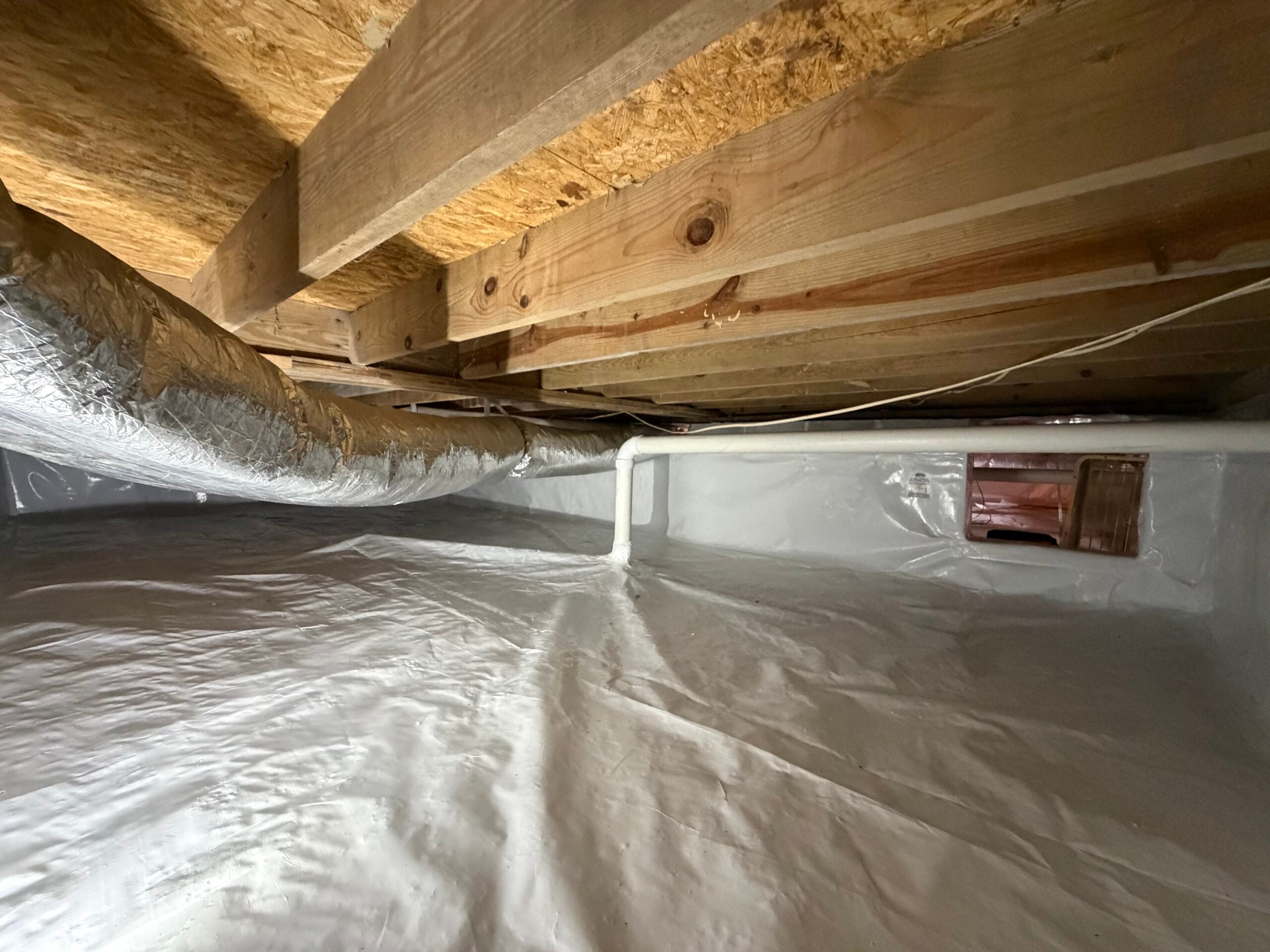
For homes over a crawlspace, a sealed membrane with ventilation or suction beneath it keeps soil vapors out of the home above. For vapor intrusion work, we recommend a 20 mil non-permeable vapor barrier.
Our Process, Working With Your Consultant
Vapor intrusion testing and sampling are done by a qualified environmental consultant. We handle the mitigation, and we stay in step with their work from start to finish.
1. Review the Findings
We look at the consultant's report and the building so the system fits the site.
2. Design the System
We lay out the suction points, piping, fan, and any barrier work, and give you a clear quote.
3. Install
Our crew installs the system with as little disruption to the building as possible.
4. Confirm It Works
Your consultant performs follow-up sampling to verify results, and we adjust the system if needed.
Built to National Soil Gas Mitigation Standards
The Indoor Environments Association (IEA), formerly AARST, publishes the AARST consensus standards for soil gas mitigation. These standards cover both radon and vapor intrusion, which is why radon mitigation experience carries over to this work.
Two standards apply to most of the buildings we see in East Tennessee.
Which Standard Applies?
- SGM-SF-2023: existing homes
- SGM-MFLB-2023: existing multifamily, school, commercial, and mixed-use buildings
Both address radon and vapor intrusion soil gas mitigation. View the AARST standards.
Vapor Intrusion Questions, Answered
What is vapor intrusion mitigation?
It is the installation of a system that keeps chemical vapors from entering a building. The most common approach is sub-slab depressurization, sometimes paired with vapor barriers and sealing.
Is vapor intrusion the same as radon?
No, but the entry route is the same. Radon is a naturally occurring radioactive gas. Vapor intrusion involves man-made chemicals such as solvents and fuels. The two are tested differently, and a building can have one, both, or neither.
Do you test for vapor intrusion?
Testing and sampling are done by a qualified environmental consultant. We handle mitigation and work from their findings. If you do not have a consultant, we can point you toward one.
How do I know the system is working?
Follow-up sampling by your environmental consultant confirms the system is performing. The system also includes a gauge so you can see that the fan is running.
Can a radon mitigation system also handle vapor intrusion?
Sometimes the same type of system is used, but a vapor intrusion system is designed around the specific site conditions and your consultant's findings. We will tell you what your building needs.
Need a Vapor Intrusion Mitigation Quote?
Send us your consultant's report and we will walk you through the system and the cost.
Related: How Much Does Radon Mitigation Cost?